Some of our posts may include Amazon affiliate links. This means that if a product is purchased via that link, I receive a small commission. These are only used for products we truly believe in.
“Bursts with action, encyclopedic in historic detail . . . supremely well crafted and a delight to read.”—Chicago Tribune
“A fascinating journey . . . a clear yet sparkling window upon history with a superb narrative, so perfectly balanced between history and fiction that it clears away the mists of time from antiquity, giving the reader the impression that events over a span of ten centuries occurred only yesterday.”—Fort Worth Star-Telegram
“Strong . . . appealing . . . I haven’t read so satisfactory a saga in years . . . in fact, perhaps not ever before. . . . It gives you not only history but comfort.”—Chicago Sun-Times
“[Edward] Rutherfurd holds us all consistently intrigued. In Sarum he has created a splendid novel that will bring many hours of diversified reading pleasure.”—The Plain Dealer
“A richly imagined vision of history, written with genuine delight.”—San Francisco Chronicle
“Rutherfurd is at his best. . . . His storytelling skills are substantial. . . . One of the best books of the season.”—Kansas City Star
“Absorbing . . . a superior historical novel . . . This blockbuster saga should appeal to discriminating readers, since Rutherfurd has an excellent grasp of his subject and a compelling story to tell.”—Publishers Weekly
A masterpiece of breathtaking scope—a brilliantly conceived epic novel that traces the entire turbulent course of English history
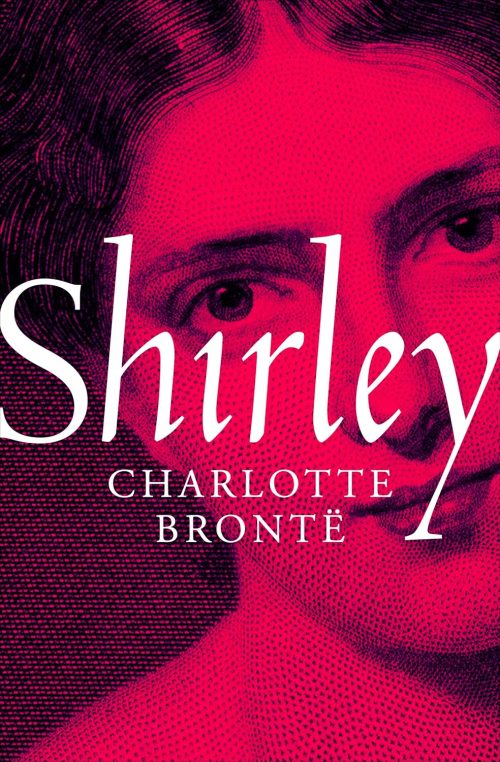
The second—and only historical—book from the author of Jane Eyre: “Revolutionary . . . Brontë’s most feminist novel.” (Lyndall Gordon, author of Charlotte Brontë: A Passionate Life).
Caroline and Shirley’s friendship and their contrasting life conditions and views of traditional gender roles make this novel “as interesting and relevant today as when Brontë wrote it” (Curled Up with a Good Book).
“Charlotte Bronte sure knew how to write a sizzling romance. . . . Overall, there’s plenty of great passion, Charlotte Bronte’s descriptions are lyrical and second to none.” —The Vince Review
“Shirley, which differs considerably from Jane Eyre, declares its affinity with Benjamin Disraeli’s Sibyl and Elizabeth Gaskell’s Mary Barton and North and South. The novel contains an explicit social discourse about the Condition of England aimed at highlighting the class and gender divide and its possible social consequences.” —The Victorian Web
Shirley, Charlotte Brontë’s second novel, following Jane Eyre, tells the story of two women of radically different circumstances, whose bond of friendship helps them emotionally navigate the romantic entanglements of Victorian society.